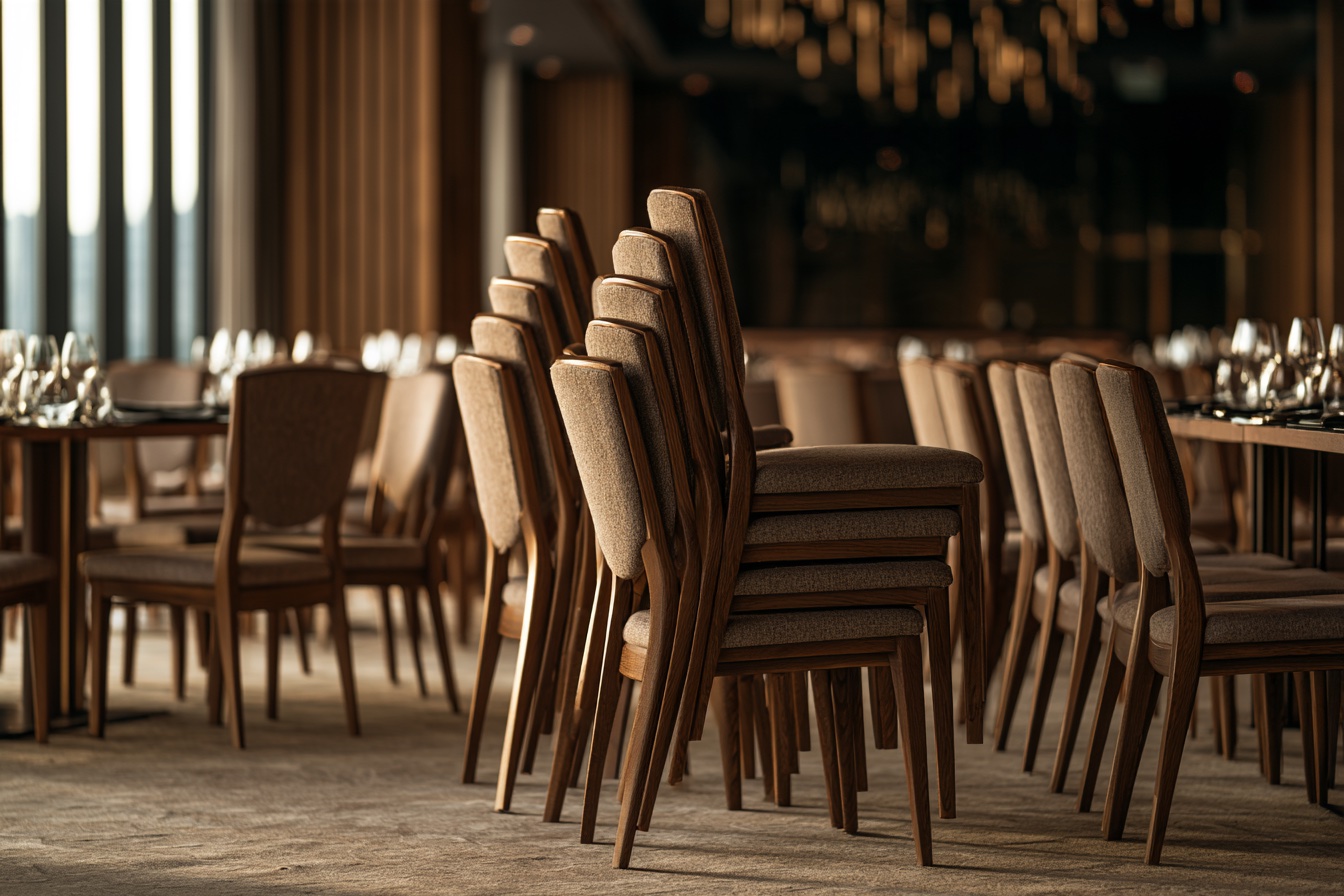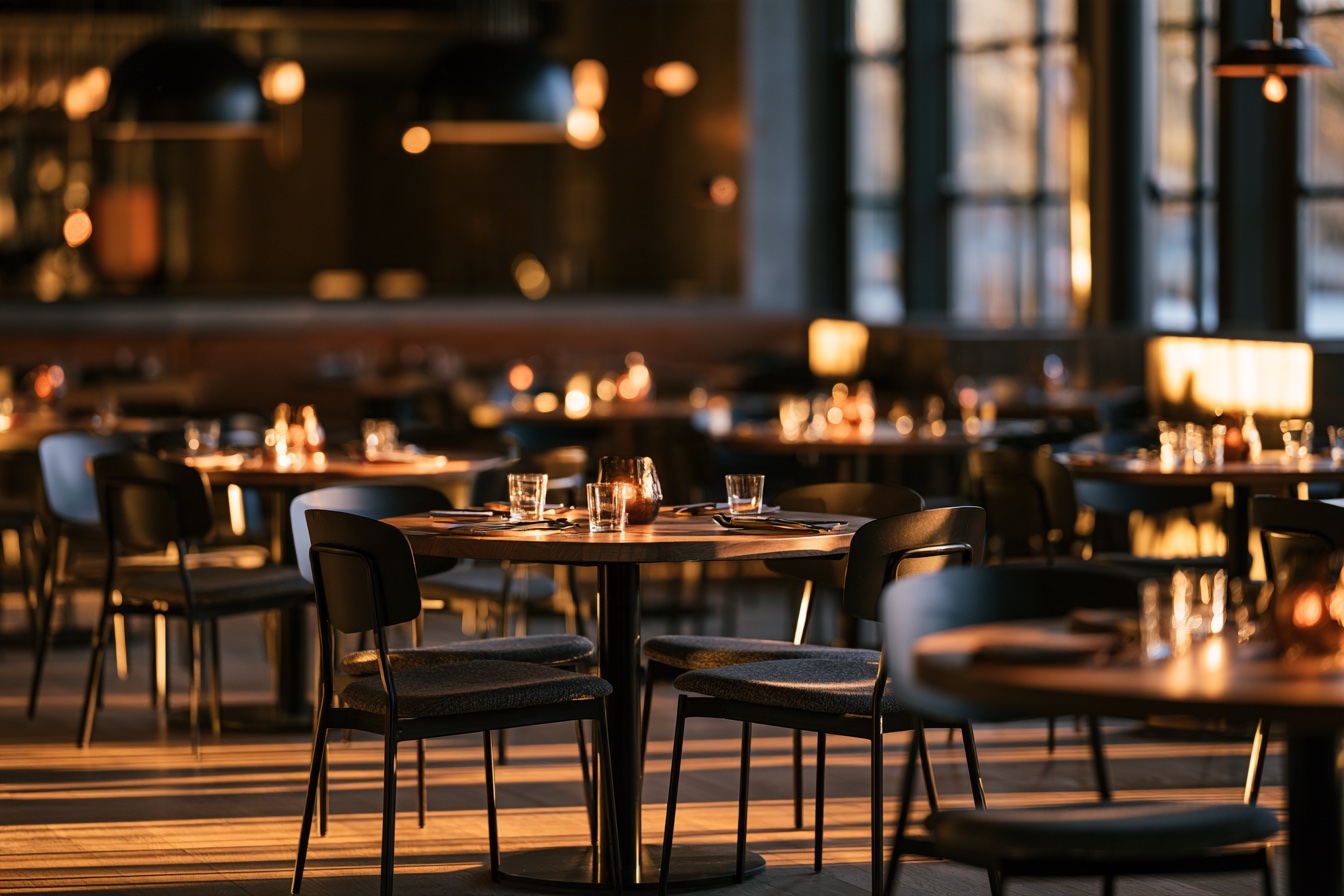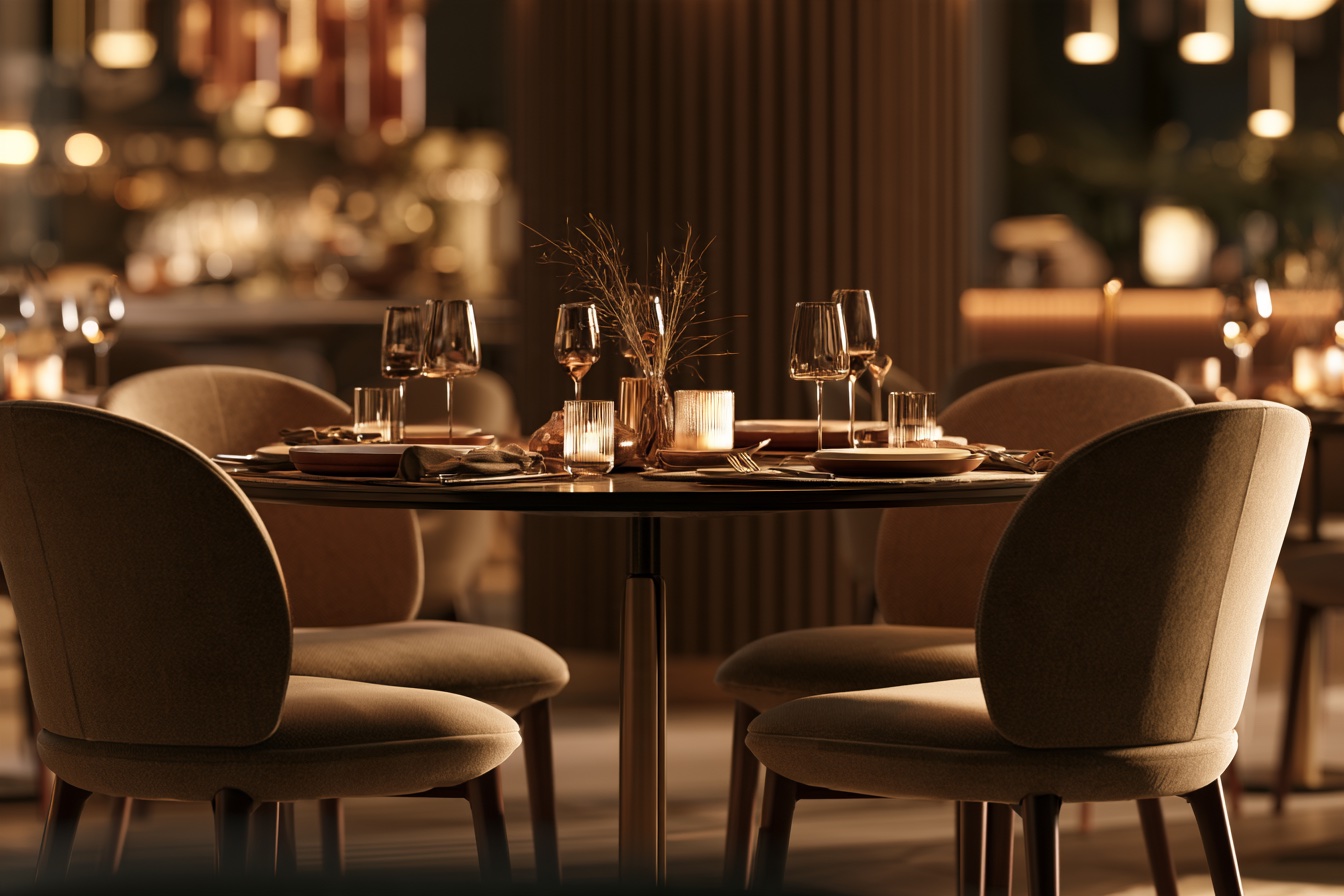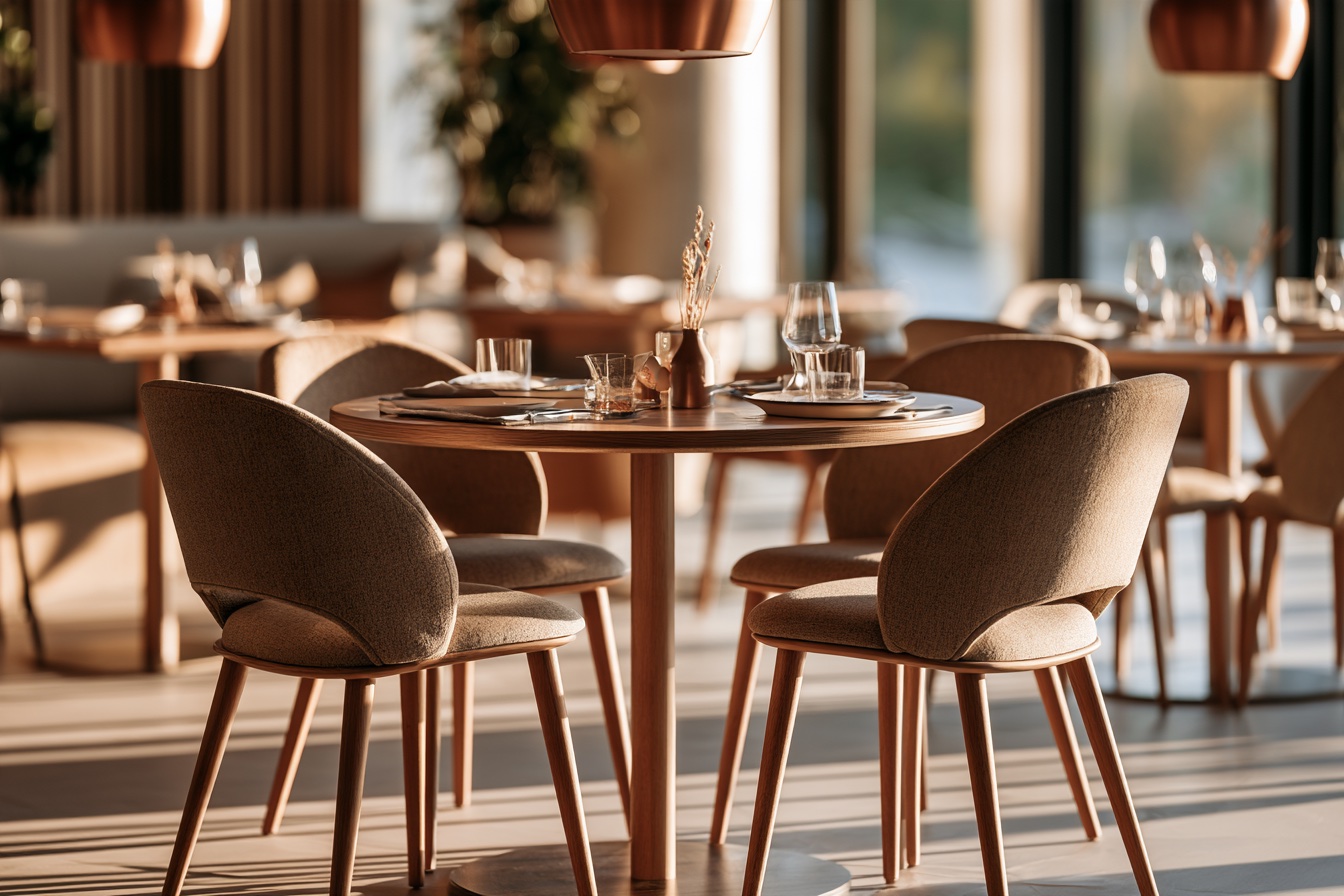
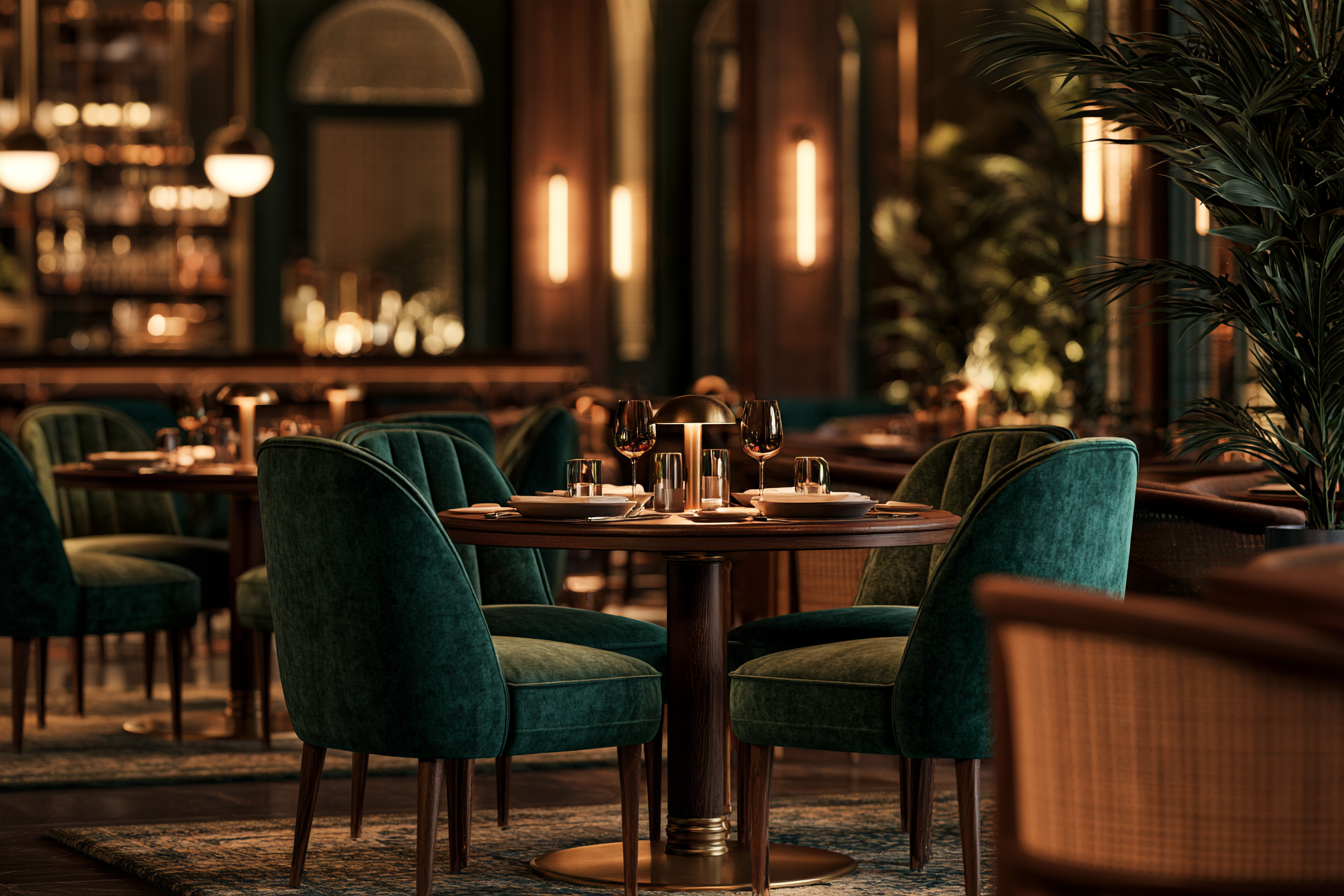
Restaurant Chairs Today, it’s one of the most powerful design elements that determines whether a guest will stay at a table for an hour or for the entire evening. A chair allows you to eat a meal, but an armchair invites you to relax, chat, and order another coffee or dessert. Restaurant owners are increasingly moving away from uniform sets of tables and chairs in favor of mixed arrangements, where soft seats with armrests create an atmosphere comparable to that of a prestigious club or an elegant lounge.
Well-chosen restaurant chairs can extend the length of customers’ visits, increase the average check, and set your restaurant apart from the competition. At the same time, these pieces of furniture are subject to heavy use, so your choice cannot be based solely on appearance. In this guide, we explain what to look for when purchasing, how to choose the right frame, upholstery, and dimensions, and how to arrange the seating in the dining area so that the space is both beautiful and safe for staff.
Why Should Restaurant Chairs Be Included in an Interior Design Plan?
A restaurant’s interior is first and foremost an experience, not just a place where food is served. Guests evaluate a restaurant based on seating comfort, acoustics, lighting, and aesthetics. Restaurant armchairs bring an element of luxury to the dining room that standard chairs cannot provide. A wide seat, contoured backrest, and armrests make the customer feel well taken care of, which translates into better reviews and a desire to return.
There’s also a purely business-related argument. In restaurants where guests spend more time at the table-such as tasting-menu restaurants, wine bars, or hotel restaurants-comfortable restaurant chairs have a real impact on sales of additional menu items. A person whose back doesn’t go numb is more likely to stay for dessert, coffee, and a glass of wine. It’s also worth remembering that a well-designed seat improves ergonomics ease of use, because sturdy, well-designed furniture doesn't tip over and is easy to move away from the table.
How to Choose Restaurant Chairs, Step by Step?
Before you order a batch of furniture, analyze the nature of the venue, the target audience, and how the space is used. You’ll furnish an intimate bistro with thirty seats differently than a spacious premium restaurant with a banquet hall. The following criteria will help you make your selection:
- Frame Construction - Frames made of solid beech wood or powder-coated steel work best, as they can withstand daily wear and tear and frequent repositioning.
- Seat height - It typically ranges from 44 to 48 cm, which allows for comfortable use of standard countertops that are about 75 cm high.
- Height of the armrests - They should slide easily under the tabletop so that guests can sit close to it and rest their arms comfortably.
- Type of foam - Highly elastic foam with the right density does not sag and retains its shape even after years of use.
- Ease of cleaning - Removable or washable upholstery significantly reduces the time it takes to prepare the room for the next shift.
Each of these criteria is important, but it’s the construction and quality of the foam that most often determine a piece of furniture’s lifespan. Cheap restaurant chairs look attractive in a catalog, but after two seasons they start to creak, and the upholstery becomes misshapen. It’s better to make a one-time investment than to replace part of the furniture every year.
Upholstery that can withstand the daily wear and tear of the establishment
The restaurant industry is one of the most demanding environments for fabrics. Spilled wine, greasy sauces, coffee, crumbs, and vigorous cleaning are part of everyday life. When choosing chairs for a restaurant, check the fabric’s specifications-not just its color. The key is Martindale test, which measures a fabric's resistance to abrasion. For public facilities, a minimum of 50,000 cycles is recommended, and in high-traffic areas, as many as 100,000. We've described the details of this parameter in our article on The Martindale Test and Fabric Durability in the HoReCa Sector.
Stain resistance is just as important. Water-repellent materials, eco-leather-coated fabrics, and water-resistant fabrics limit liquid absorption, so most stains can be removed with a simple cloth. If you’d like to learn more, read our guide on how to choose fabrics resistant to wine and sauce stains. For luxury venues, velour is an excellent choice, as it adds depth to the interior while also improving the room's acoustics by dampening reverberation.
Style and Color Scheme - How to Match Restaurant Chairs to the Establishment’s Concept?
The aesthetics of the furniture must reflect the brand’s concept. In a restaurant with a classic atmosphere, armchairs with quilted backs, wooden legs, and upholstery in shades of bottle green, navy blue, or burgundy look great. Minimalism reigns in modern establishments: rounded shapes, black steel frames, and fabrics in subdued shades of beige or gray. Lofts and bistros often combine natural wood with raw leather.
It’s a good idea to combine two types of seating. Restaurant armchairs placed next to two-person tables or in the corners of the dining room create premium seating areas, while classic restaurant chairs They provide flexibility in the main section. These mixed layouts help organize the interior visually and allow for a range of seat reservation prices. You’ll find more tips in the article about this, How to Choose Chairs for a Restaurant, which makes it easier to plan the entire room in a consistent manner.
Seating Arrangement and Matching with Tables
Even the most beautiful furniture won’t serve its purpose if it’s arranged incorrectly. An armchair is wider than a chair, so each guest needs more space. It’s generally accepted that you should plan for about 60-70 cm of tabletop width per person at the table, and restaurant armchairs with wide armrests require even a little more space. Arranging the seating too tightly makes it difficult for servers to move around with trays and reduces customer comfort.
When choosing armchairs, consider the right ones restaurant tables. Pay attention to the height of the tabletop, the thickness of the edges, and the spacing between the legs to ensure that the armrest does not interfere with the table’s structure. This relationship is often overlooked during the design phase, and it’s only after the furniture is delivered that it becomes apparent that the chairs won’t slide under the tabletop.
Another rule concerns the width of aisles. Main walkways should be at least 90-120 cm wide, and the space between tables should be at least 60 cm from the back of one chair to the back of another. In restaurants with a terrace or outdoor seating area, be sure to use separate outdoor furniture that is resistant to moisture and UV rays.
Restaurant Chairs vs. Bar and Hotel Areas
Not every area of the venue requires the same type of seating. In the bar area, sturdy seating works best barstools, while armchairs in restaurants are best reserved for the dining area and lounge. In hotel restaurants, it is the armchairs that create an unforgettable impression in the breakfast area and the dining room, where guests spend more time than they would in a typical fast-food establishment.
When combining different types of seating, make sure there’s a common thread: a recurring color, material, or finishing detail. This way, even a mix of different pieces will look like a well-thought-out set. You’ll find practical information on combining upholstered furniture in the article about upholstered furniture in the HoReCa industry.
The Most Common Mistakes When Buying Chairs for a Restaurant or Café
Experience shows that restaurant owners tend to make similar mistakes. The first is choosing residential furniture instead of professional contract-grade solutions. Furniture designed for a living room won’t withstand dozens of seating cycles a day. The second mistake is skipping the fabric swatch. The color on the screen can differ significantly from the actual color, so before ordering a larger batch, it’s worth requesting a swatch and checking it under the restaurant’s lighting.
Where can you buy restaurant chairs, and what should you look for in a supplier?
Buying contract furniture is a long-term commitment, so choose a partner who understands the needs of the foodservice industry. Check whether they offer samples, what their lead times are, whether they provide options for customizing upholstery, and whether they offer access to replacement parts. In LUMO’s lineup, you’ll find proven restaurant chairs, which combine a durable construction with an elegant design and are engineered for heavy-duty use in restaurants and hotels.
FAQ - Frequently Asked Questions About Restaurant Chairs
1. How do restaurant chairs differ from regular chairs?
The chair has a wider seat, a taller and better-contoured backrest, and armrests. It provides greater comfort during extended periods of sitting, which is why it’s ideal for establishments where customers spend several hours at a table.
2. How many seats can fit in the auditorium?
Armchairs take up more space than chairs, usually by 10-20 percent. Therefore, when planning the layout, reduce the number of seats or place armchairs only in selected areas.
3. What kind of upholstery is best for a restaurant?
The best options are fabrics that withstand more than 50,000 cycles in the Martindale test, those with a water-repellent coating, or washable eco-leather. Choose velour for areas with a lower risk of staining.
4. Can restaurant chairs be placed on the patio?
Standard upholstered models are not designed for outdoor use. For your patio, choose furniture that is resistant to moisture and UV rays, such as technorattan patio sets.
5. Is it a good idea to mix armchairs and chairs in the same room?
Yes, this is a popular solution. Armchairs create premium seating areas, while chairs provide layout flexibility. It’s important to maintain a consistent color and fabric scheme.
Summary - Prioritize Guest Comfort with LUMO
Well-chosen restaurant chairs are an investment that pays off in the form of better reviews, longer visits, and higher check averages. What matters is a sturdy construction, durable upholstery, the right dimensions, and a style that complements the rest of the interior. A thoughtful selection of furniture and its arrangement makes the dining room look elegant and ensures that service runs smoothly.
At LUMO, we create furniture for the food service and hospitality industries, which combine design with durability and perform well even under the most demanding conditions. Contact our advisors and choose professional restaurant equipment, which will make your guests even more eager to come back to your restaurant.