
Upholstery Fabrics 19 products
Upholstery fabrics for restaurant and hotel furniture
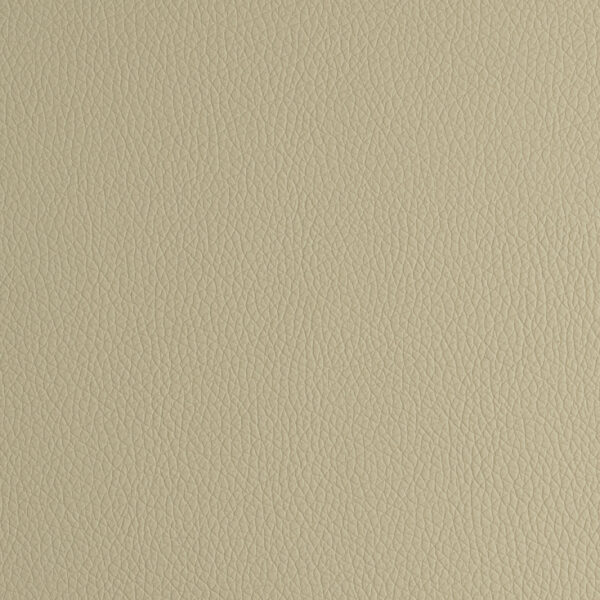
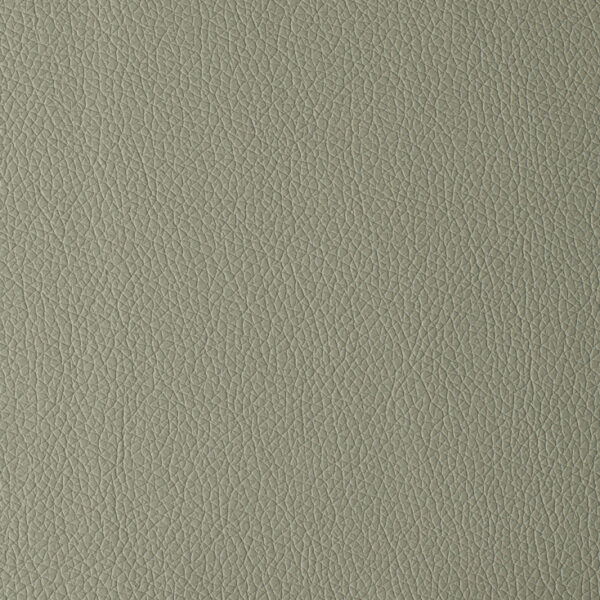
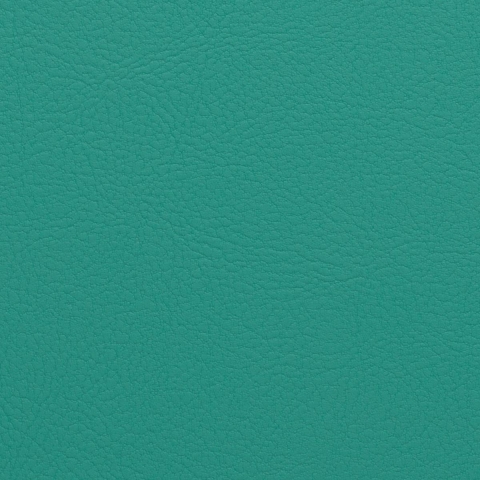
Arizona is a very durable PVC-based eco leather with added polyurethane, with a weight of 690 g/m² and a thickness of 1 mm. It is flame retardant according to PN-EN 1021-1 and PN-EN 1021-2, has antibacterial properties and withstands over 800,000 Martindale cycles, which makes it one of the toughest upholstery materials for furniture in high-traffic venues. Available in 29 colours.
- Typeeco leather (PVC with PU finish)
- Composition91% PVC, 9% PU
- Weight690 g/m² (980 g/linear metre)
- Width140 cm
- Thickness1 mm
- Abrasion resistance (Martindale)over 800,000 cycles
- Light fastness5
- Flame retardancyyes, PN-EN 1021-1 (cigarette) and PN-EN 1021-2 (match)
- Propertiesantibacterial, resistant to hydrolysis, urine and hospital-grade cleaning agents
- Caresoft sponge and mild eco leather cleaners; do not bleach, iron, tumble dry or dry clean
- Number of colours29
- Delivery across Poland
- VAT invoice
- Expert advice
-
Upholstery Fabrics
Arizona Eco Leather - Sample
Swatch 15,00 zł netChoose a colour -
Upholstery Fabrics
Cayenne Eco Leather - Sample
Swatch 15,00 zł netChoose a colour -
Upholstery Fabrics
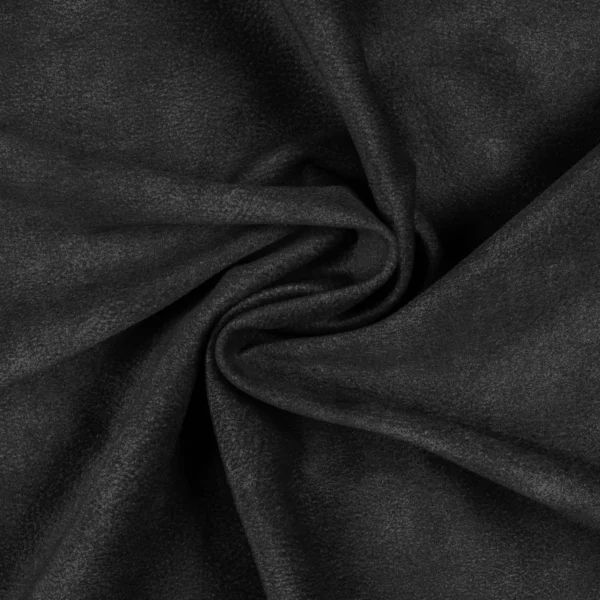
Nappatech Eco Leather - Sample
Swatch 15,00 zł netChoose a colour -
Upholstery Fabrics
Alfa Fabric - Sample
Swatch 15,00 zł netChoose a colour -
Upholstery Fabrics
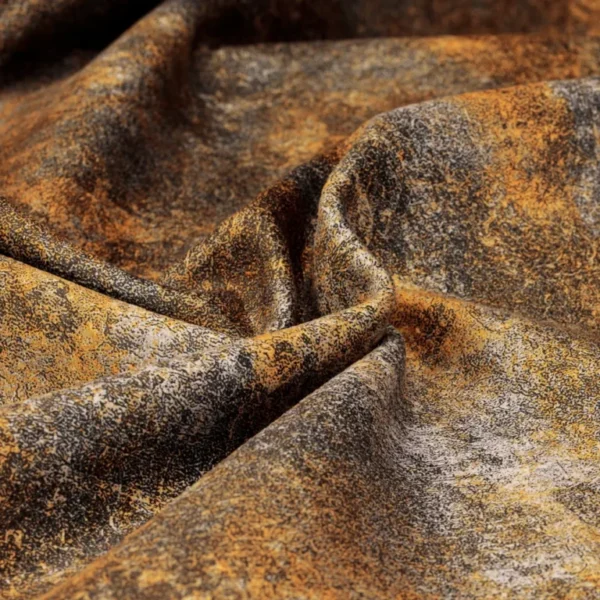
Antique Fabric - Sample
Swatch 15,00 zł netChoose a colour -
Upholstery Fabrics
Austin Fabric - Sample
Swatch 15,00 zł netChoose a colour -
Upholstery Fabrics
Bonito Fabric - Sample
Swatch 15,00 zł netChoose a colour -
Upholstery Fabrics
Carino Fabric - Sample
Swatch 15,00 zł netChoose a colour -
Upholstery Fabrics
Foster Fabric - Sample
Swatch 15,00 zł netChoose a colour -
Upholstery Fabrics
Galaxy Fabric - Sample
Swatch 15,00 zł netChoose a colour -
Upholstery Fabrics
Liso Fabric - Sample
Swatch 15,00 zł netChoose a colour -
Upholstery Fabrics
Molla Fabric - Sample
Swatch 15,00 zł netChoose a colour -
Upholstery Fabrics
Palladium Fabric - Sample
Swatch 15,00 zł netChoose a colour -
Upholstery Fabrics
Salis Fabric - Sample
Swatch 15,00 zł netChoose a colour -
Upholstery Fabrics
Salvador Fabric - Sample
Swatch 15,00 zł netChoose a colour -
Upholstery Fabrics
Shadow Fabric - Sample
Swatch 15,00 zł netChoose a colour -
Upholstery Fabrics
Sibilo Fabric - Sample
Swatch 15,00 zł netChoose a colour -
Upholstery Fabrics
Spark Fabric - Sample
Swatch 15,00 zł netChoose a colour -
Upholstery Fabrics
Zoria Fabric - Sample
Swatch 15,00 zł netChoose a colour
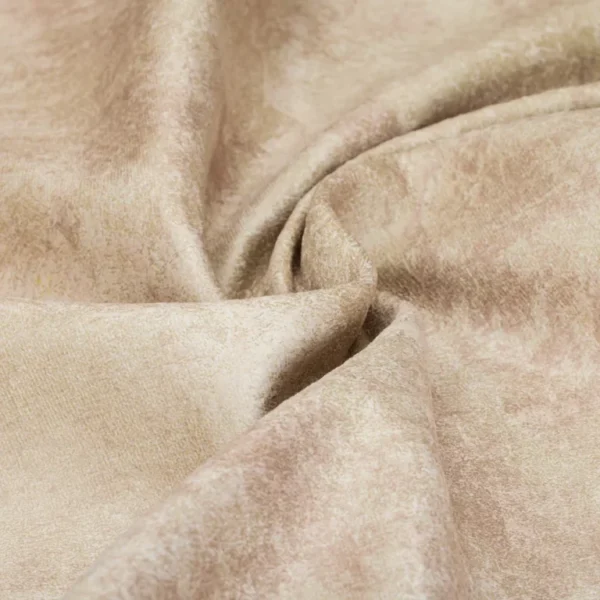
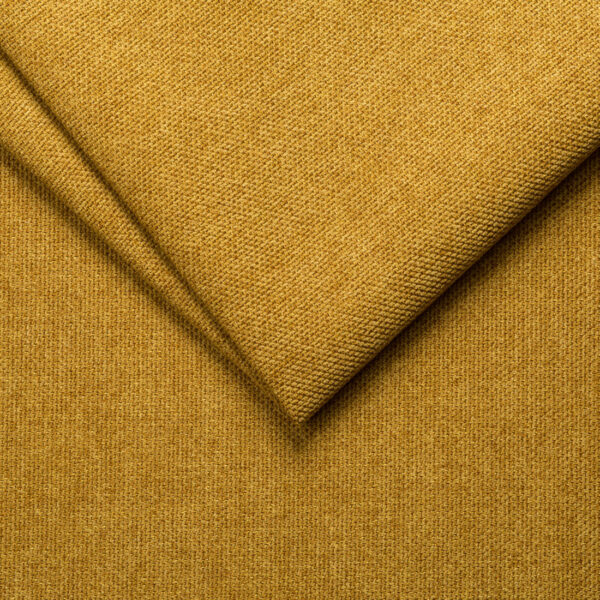
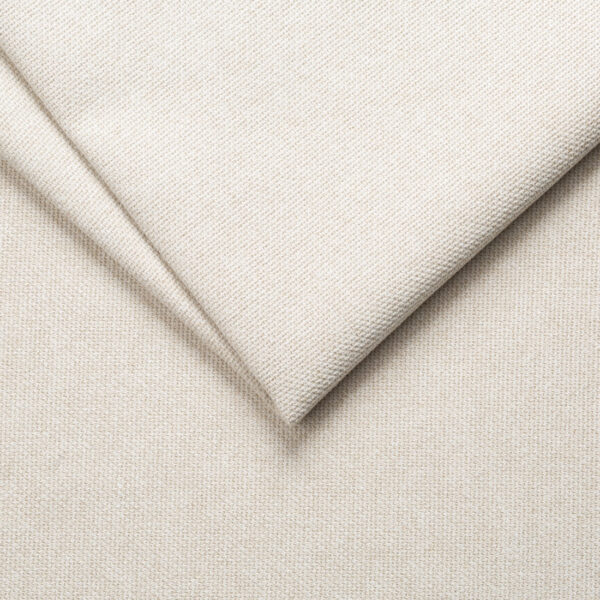
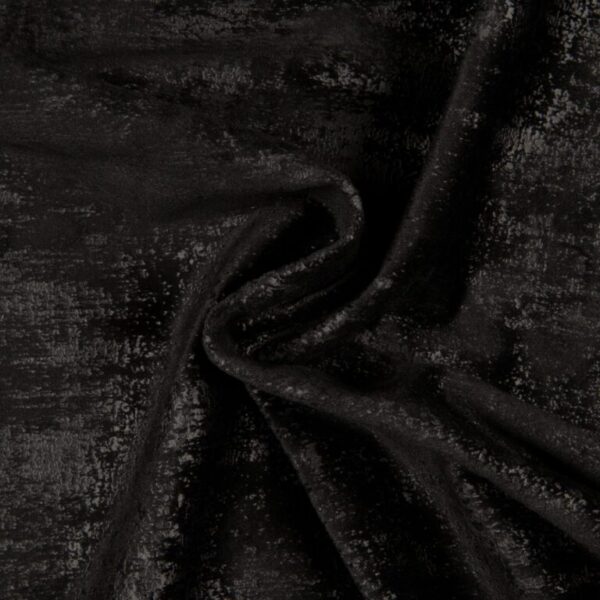
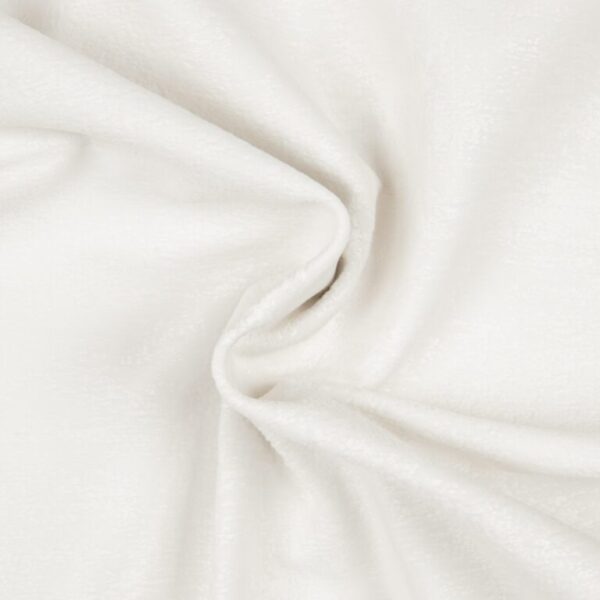
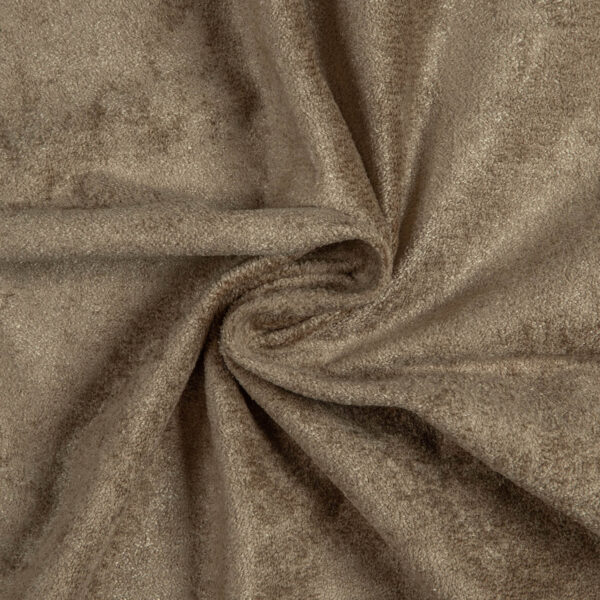

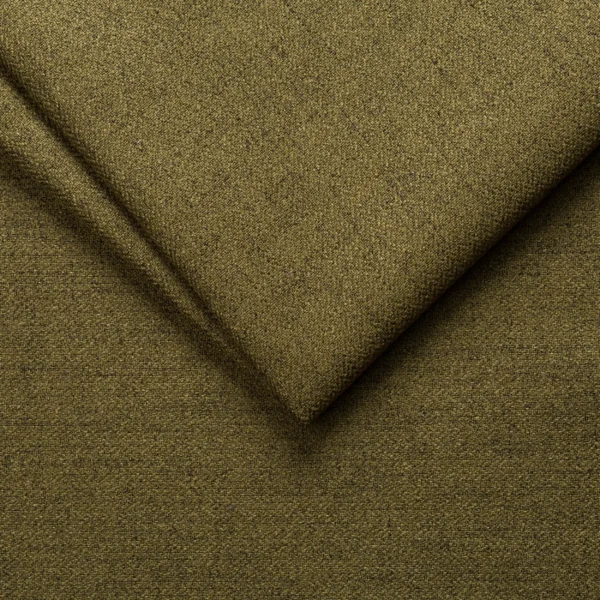
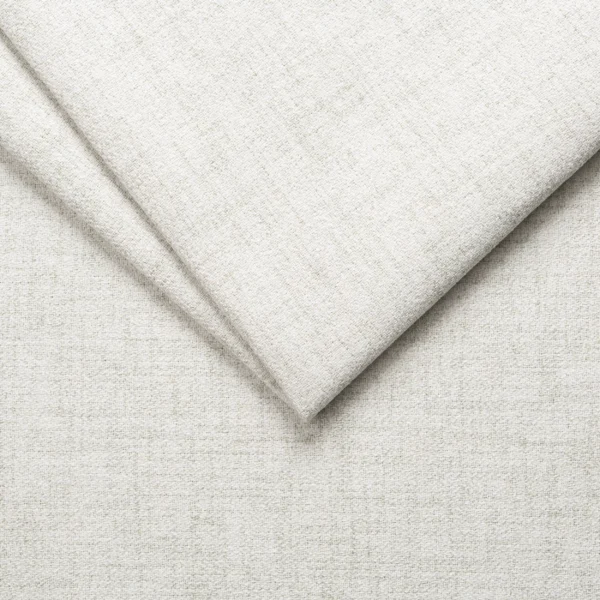
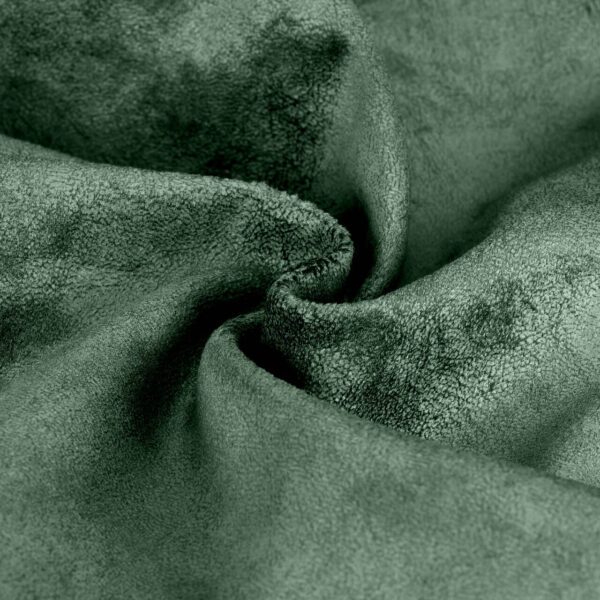
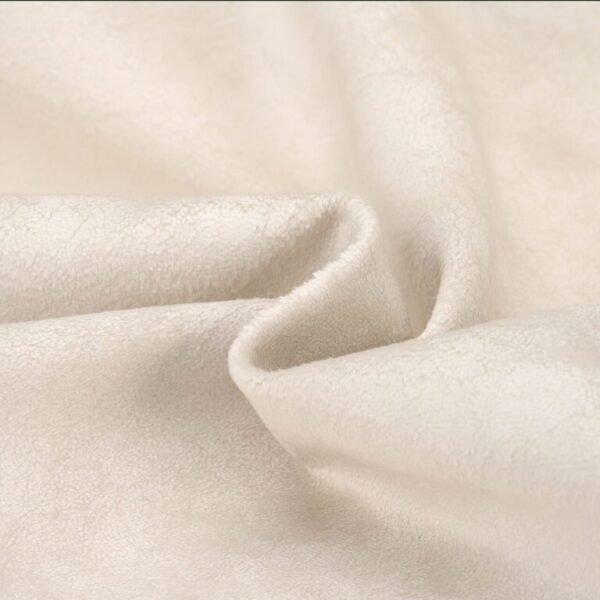
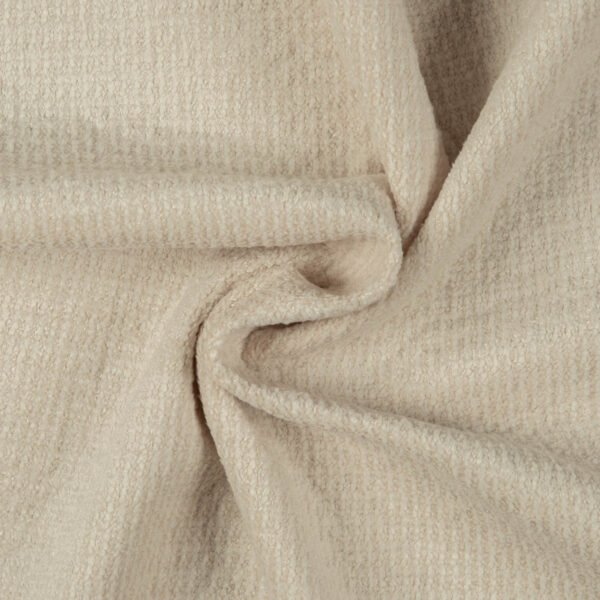
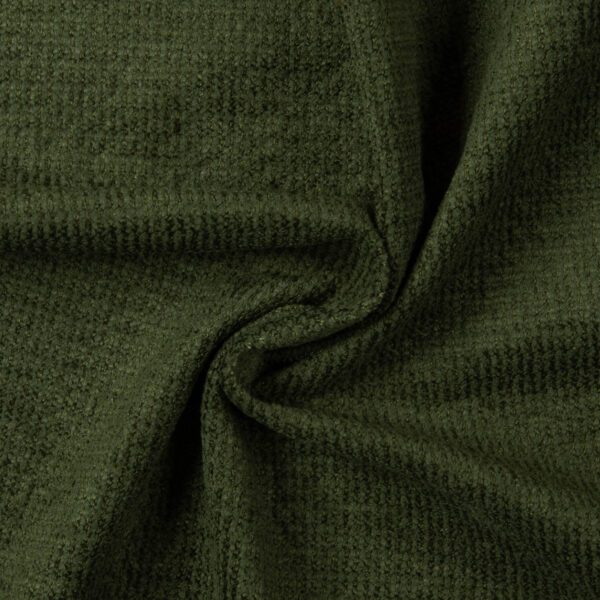
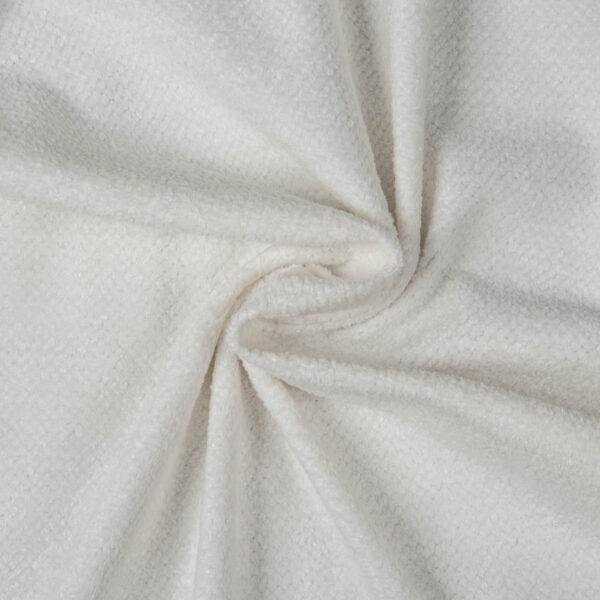
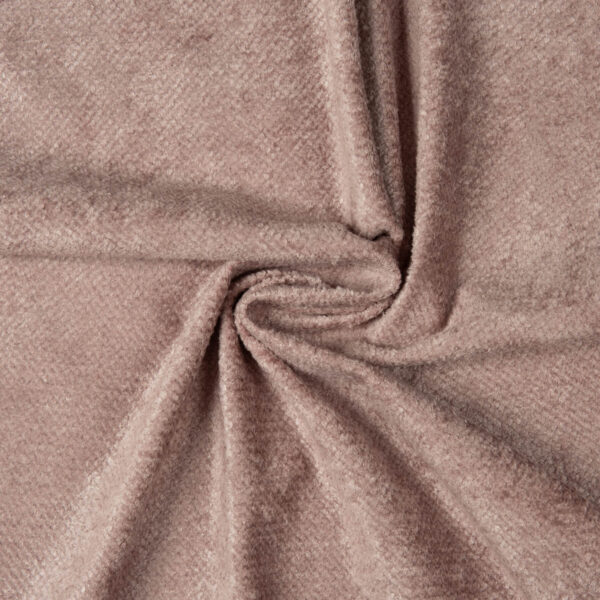
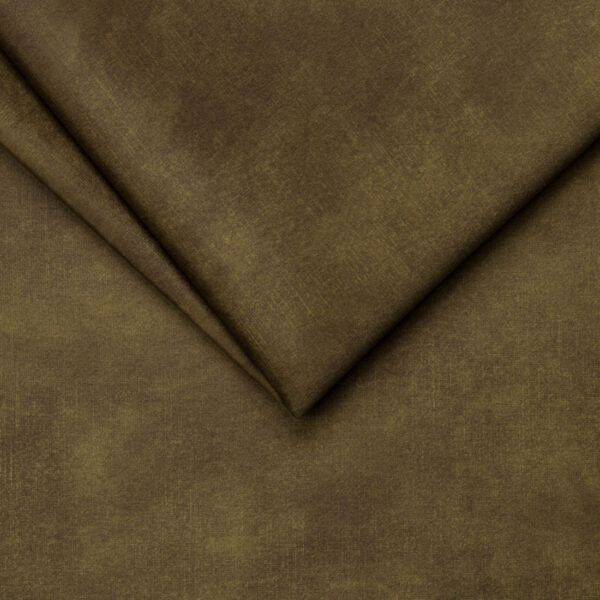
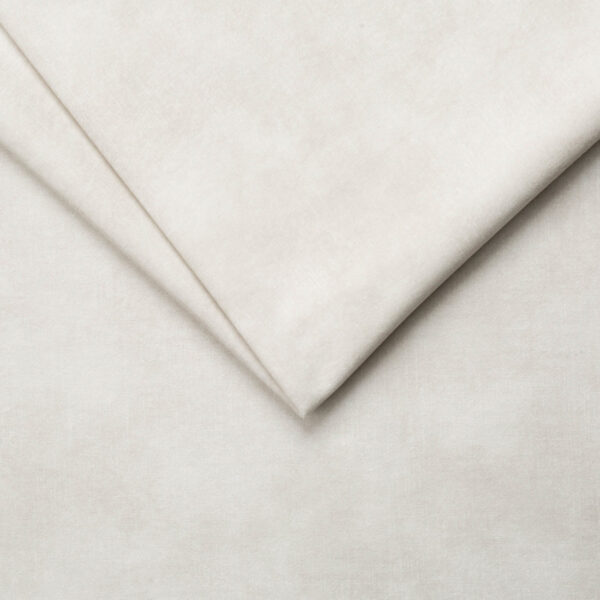
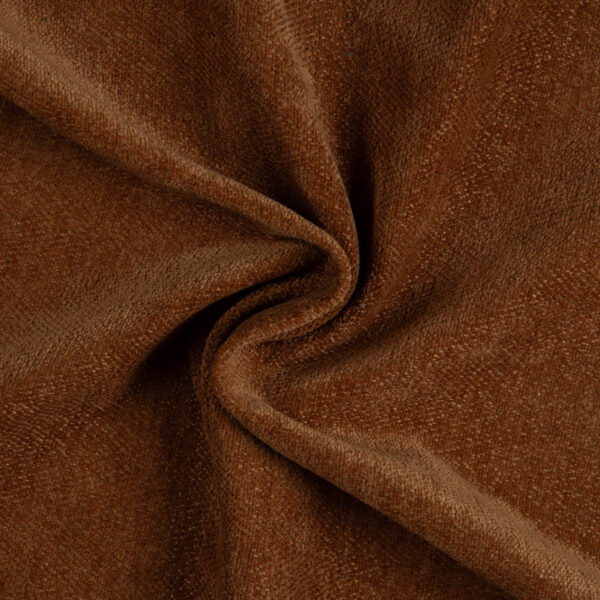
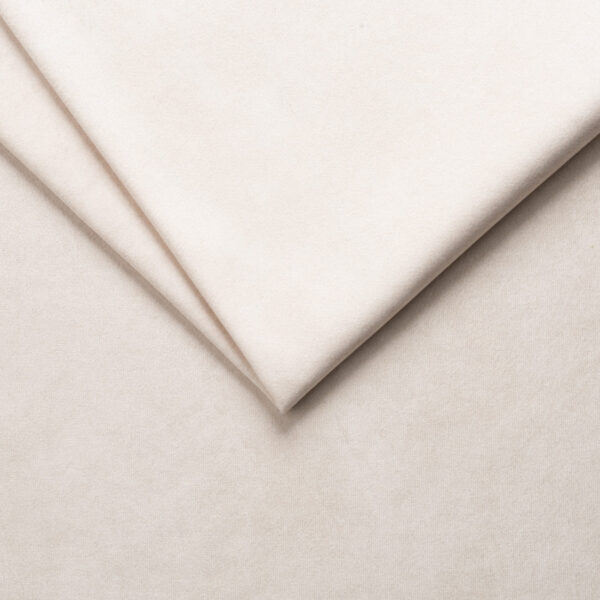
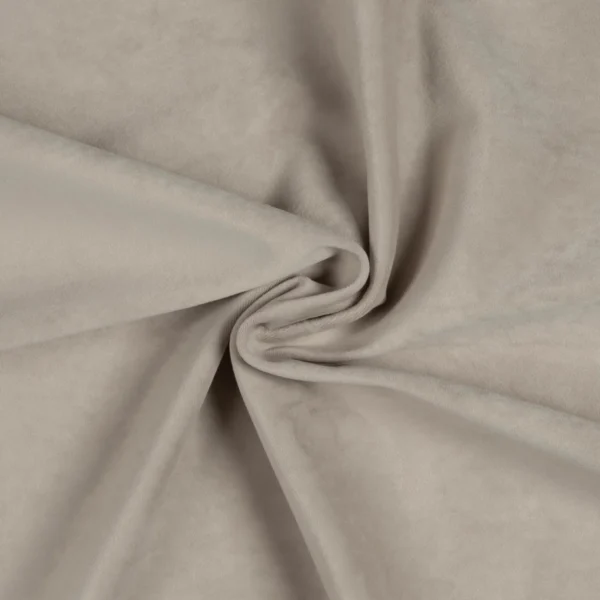
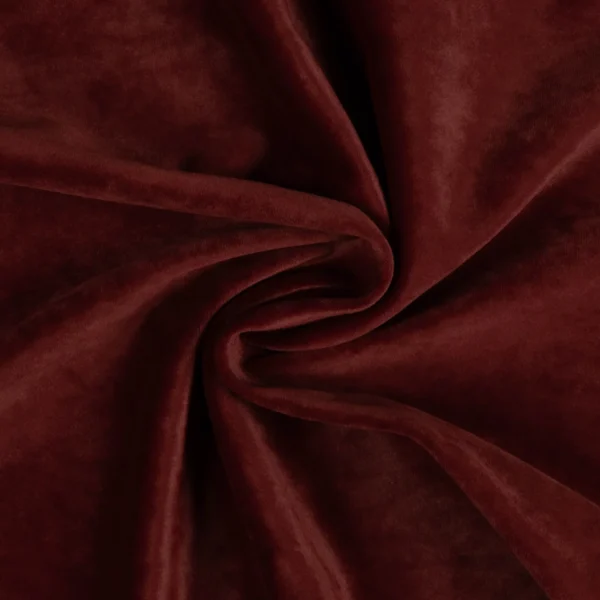
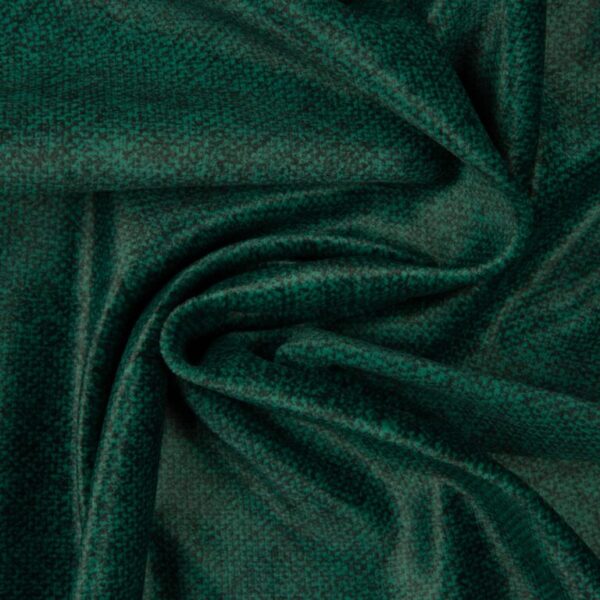
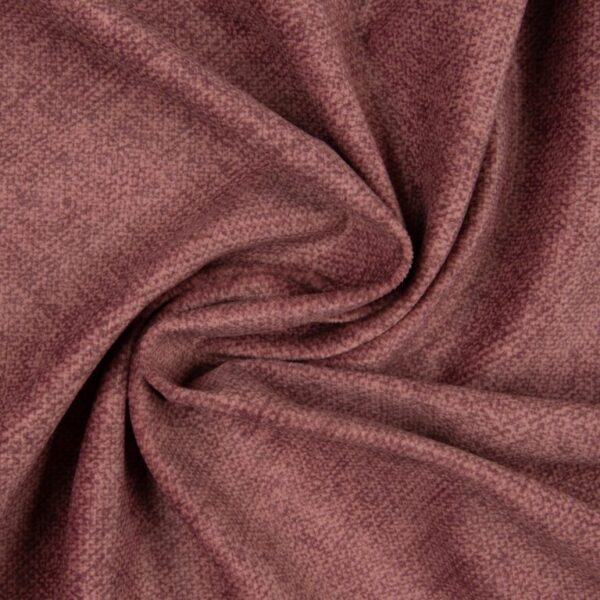
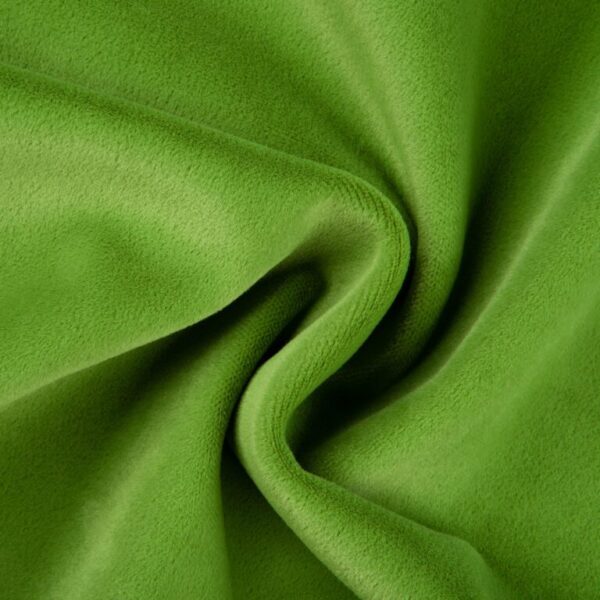
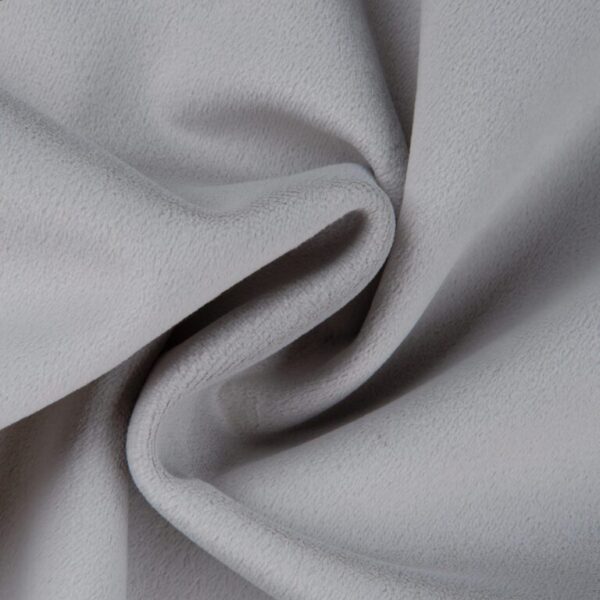
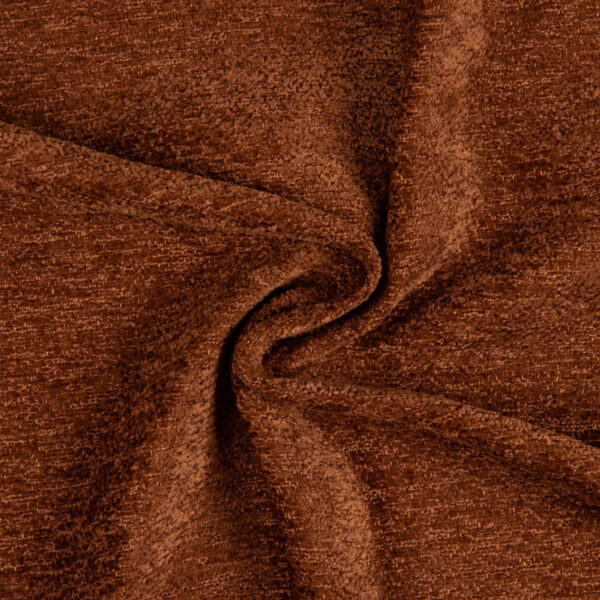
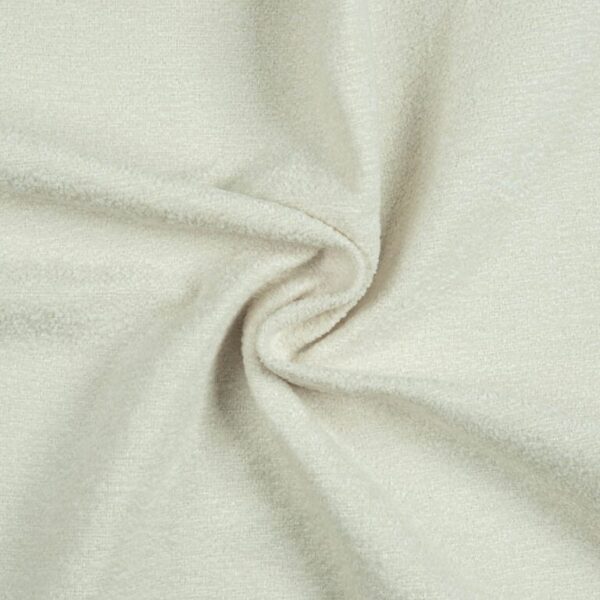
Upholstery is the first thing a guest touches on entering a venue, and one of the first things that reveals whether the furnishings were well thought out. A well-chosen upholstery fabric makes a booth or chair look great on opening day and still look good after several years of intensive use. A poorly chosen one soon wears through, soaks up stains or fades by the window. In this category we have gathered all the materials in which we make LumoMeble furniture: velvets, structured fabrics, eco leathers and Nappatech. Below you will find a guide that will help you choose upholstery suited to the character of your venue, the level of traffic and the technical requirements of the building.
Where to start when choosing a fabric for a venue?
Before you start comparing colours, answer a few questions. They will narrow the choice down to two or three materials, from which it will be easier to decide:
- How many guests a day will sit on the furniture? A cafe with a dozen tables and a restaurant with two lunch shifts are a completely different load.
- What lands on the seats? In a pizzeria, burger joint or pub, upholstery must cope with grease, sauces and spilled beer. In a wine bar or tea room the risk is lower.
- Does the venue require a flame retardancy certificate? In hotels, shopping centres and public buildings the designer often specifies particular standards.
- What atmosphere should the interior have? Velvet builds softness and elegance, eco leather evokes classic style, tidiness and easy hygiene.
- How often and with what will it be cleaned? If staff wash the seats after every shift with disinfectants, you need a material that can take it.
Velvets: softness and elegance in a contract version
Velvet is a fabric with a short, dense pile that feels like velour to the touch. It reflects light well, so colours look deep and refined. A dozen or so years ago velvet was regarded as a delicate material for the living room. Today the best furniture velvets are designed with commercial venues in mind and have durability comparable to typical contract fabrics.
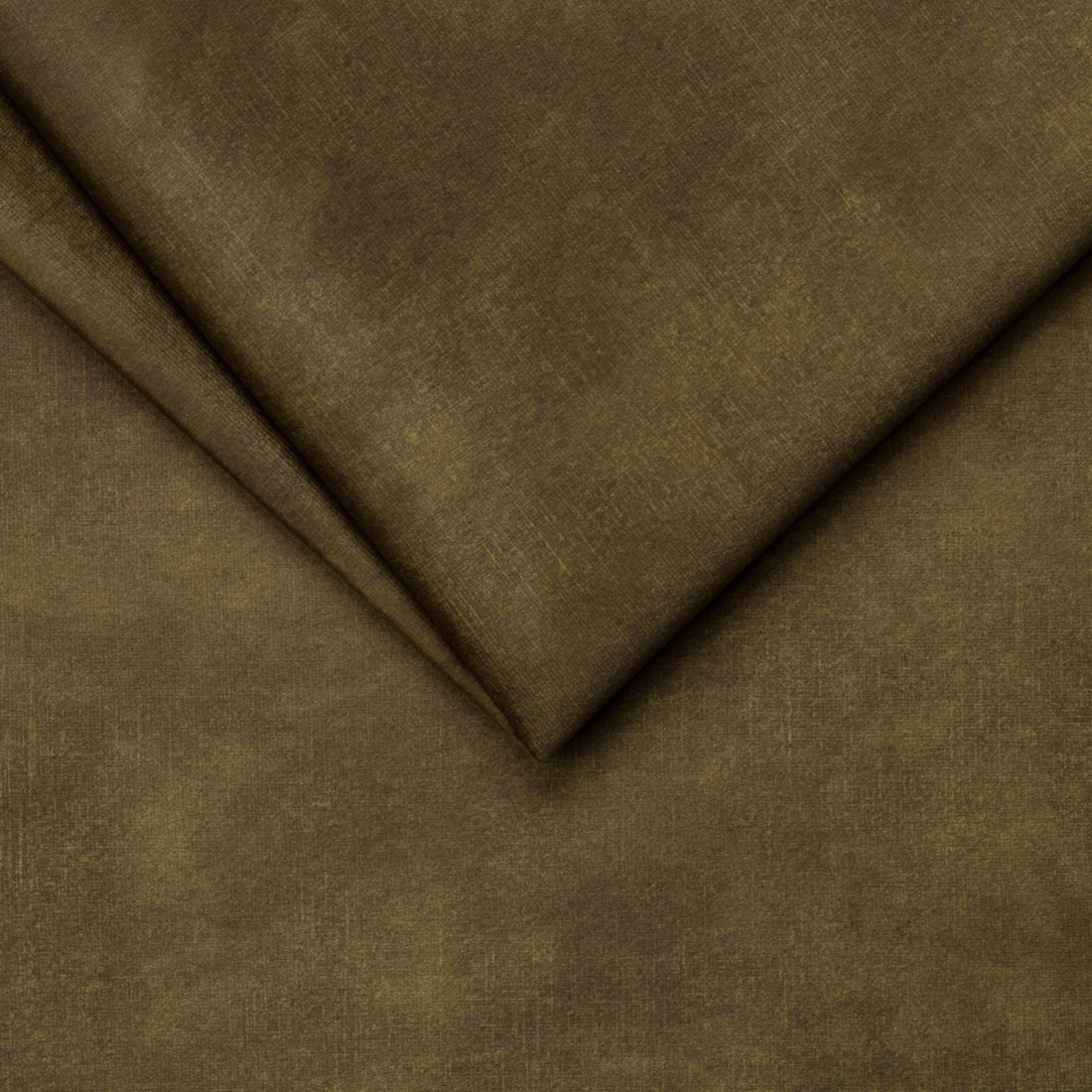
In our offer you will find a wide choice of velvets: Spark, Alfa, Shadow, Bonito, Galaxy, Sibilo, Carino, Molla, Liso, Salis, Zoria, Antique, Salvador, Palladium and Austin. They differ in pile length and density, sheen, feel and colour palette. Many of them, including the Spark, Alfa, Shadow and Galaxy collections, are fabrics with technology that limits liquid absorption: spilled coffee or water stays on the surface, giving you time to mop it up. You will find the detailed parameters of each fabric on its page.
When will velvet be the best choice?
- in fine dining restaurants, wine bars and cocktail bars, where atmosphere matters,
- in hotel lobbies, lounges and breakfast areas,
- in cafes where guests spend a longer time at the table and appreciate comfort,
- wherever the furniture is meant to warm up an interior full of hard materials: concrete, stone and glass.
Alongside the velvets, this category also includes Foster, a structured fabric with a basketweave pattern and a hydrophobic finish. It is a good option for those looking for a cosy, matt material with a distinct texture, less formal than velvet.
Eco leathers: Cayenne and Arizona
Eco leather is a material made of a textile backing and a plastic coating that imitates the look of natural leather. Its greatest advantage in hospitality is hygiene: a spilled drink only needs to be wiped up, and the surface can be washed regularly without the risk of odours or bacteria remaining in the fabric. Our offer includes two eco leathers of different character.
Cayenne eco leather
Cayenne has a polyurethane top layer, which makes it soft, flexible and pleasant to the touch. It withstands over 100,000 abrasion cycles and has the OEKO-TEX Standard 100 certificate. It works well in family restaurants, cafes and pizzerias, where both comfort and easy cleaning matter. The standard version is not flame retardant.
Arizona eco leather
Arizona is based on PVC with added polyurethane. It is heavier and more mechanically resistant, withstands over 800,000 Martindale cycles, and in addition meets the PN-EN 1021-1 and PN-EN 1021-2 flame retardancy standards and has antibacterial properties. It is a material for venues with very heavy traffic, clubs, food courts and buildings where a certificate is required.
Nappatech: premium-class eco leather
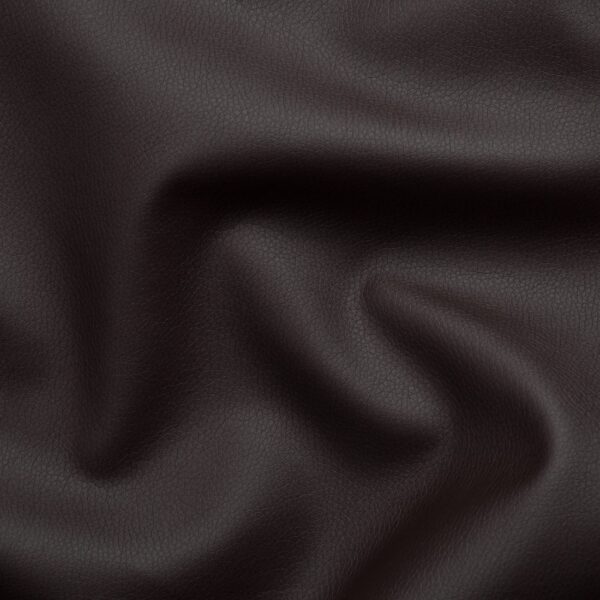
Nappatech is the heaviest and most advanced material in our offer. Its smooth surface evokes nappa leather, and its parameters correspond to the requirements of the most demanding venues: over 800,000 abrasion cycles, flame retardancy according to PN-EN 1021-1 and PN-EN 1021-2, light fastness above 7, and resistance to hydrolysis, hospital-grade cleaning agents, and pool and sea water. We recommend it for hotel restaurants, steakhouses, lounges, spa areas and wherever furniture is meant to serve for many years without replacing the upholstery.
What does the Martindale test mean?
Martindale is the most popular method for testing the abrasion resistance of upholstery fabrics (standard EN ISO 12947). A sample of the material is rubbed with a standard fabric in a curved motion, and the device counts cycles until abrasion or broken threads appear on the tested surface. The higher the result, the longer the upholstery will keep its good appearance.
As a rough guide you can assume that:
- up to 20,000 cycles - fabrics for home furniture used occasionally,
- 20,000-40,000 cycles - home furniture used daily,
- above 40,000-50,000 cycles - commercial venues: offices, hotels, restaurants,
- above 100,000 cycles - places with very heavy traffic, where furniture works from morning to night.
Keep in mind that the Martindale result is not the only indicator of durability. Resistance to pilling, that is the formation of small balls on the surface, is just as important, as is the fastness of the dyes to light and rubbing. For eco leathers, flex resistance and resistance to hydrolysis also count, which decide whether the coating starts to crack and flake after a few years.
Flame retardancy: when is it required?
Flame retardancy of upholstery means that the material does not ignite easily from a small source of fire and does not sustain a flame. For upholstered furniture two standards are fundamental:
- PN-EN 1021-1 - the test with a smouldering cigarette placed on the seat,
- PN-EN 1021-2 - the test corresponding to a match flame.
Flame retardancy requirements depend on the type of building and the provisions of the design. They most often appear in hotels, conference venues, shopping centres, cinemas, theatres and venues in public buildings. If you are not sure, ask the designer or the fire safety expert before you choose the material. In our offer the PN-EN 1021-1 and PN-EN 1021-2 standards are met by Arizona eco leather and Nappatech. For some fabrics it is possible to order a flame retardant version, which is worth asking about before placing the order.
Easy cleaning in practice
The terms “easy clean”, “water repellent” or “hydrophobic” mean that the fabric has been finished in a way that limits the penetration of liquids. A spilled drink forms droplets on the surface that can be mopped up with a towel before they leave a stain. This makes a huge difference to the daily work of the dining room, but it does not remove the need for basic care:
- blot stains immediately by pressing an absorbent towel on them, rather than rubbing,
- vacuum velvets and fabrics regularly with a soft brush,
- wipe eco leathers with a damp cloth and a mild detergent, then dry them,
- do not use bleaches, solvents or abrasive agents,
- always test any new cleaning product first in an inconspicuous spot.
How to match the upholstery colour to the interior?
The colour of the upholstery influences the perception of the whole venue more than it seems. A booth running the whole length of the dining room is often the largest uniform block of colour in the interior, right after the walls and the floor. A few rules that work in practice:
- dark and medium tones, such as graphite, bottle green, navy or brown, hide signs of use better and work well in high-traffic places,
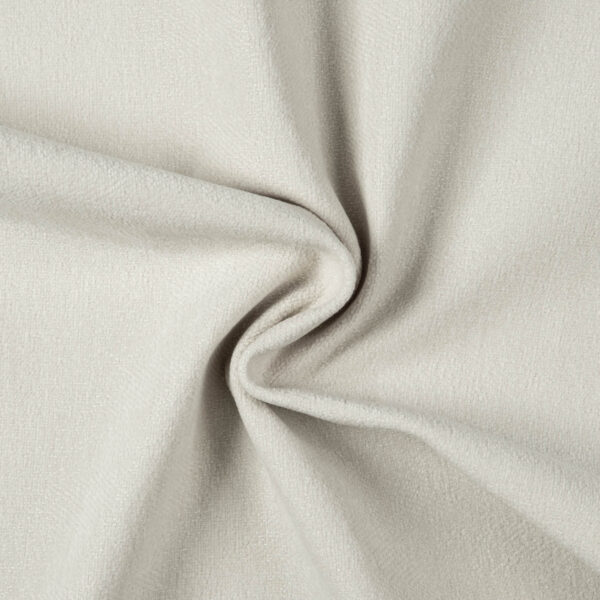
- light beiges and ecru make the room look bigger and suit Scandinavian cafes, but need more frequent cleaning, so it is worth combining them with an easy-care material,
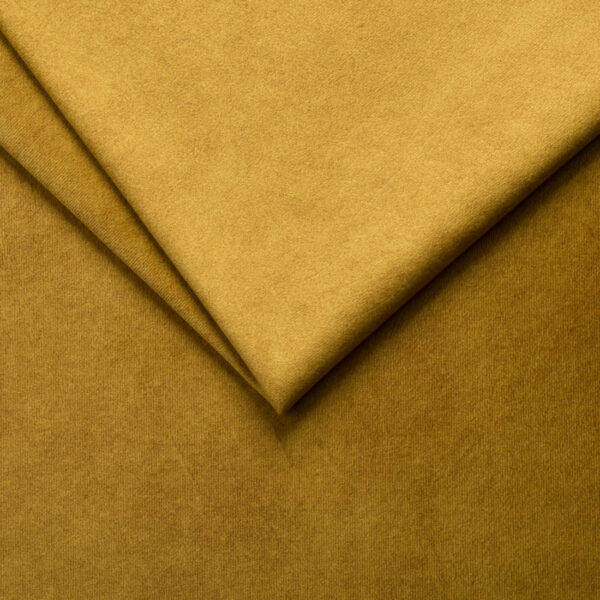
- saturated colours, for example bottle green, mustard or burgundy, build the recognisability of the venue and look great in social media photos,
- the colour temperature of the lighting changes how a colour is perceived: warm light deepens browns and reds, while cool light brings out greys and blues.
It is best to judge a colour in person, in the target interior and under the lighting that will be on in the evening. That is why we encourage you to order samples.
Fabric swatches and ordering furniture
On each material's page you can see all colours and add a swatch with the full set to your basket. One swatch costs PLN 15 net. You can order several colours from different collections to compare them with each other, with the floor, the tabletops and the walls. You will find all available samples in the fabric swatches section, and an overview of colours in one place on the colour charts page.
When your choice is ready, go to the piece of furniture you are interested in and click “Configure”. Every chair, bar stool or set of bar booths can be configured with any material and colour from our offer. We make furniture to measure, in our Polish workshop.
Frequently asked questions
Which upholstery fabric is the most durable?
The highest abrasion resistance in our offer is found in Arizona eco leather and Nappatech, which withstand over 800,000 cycles. Among fabrics, high durability is provided by contract velvets, whose parameters we give on the pages of the individual materials.
Velvet or eco leather for a restaurant?
Velvet offers more comfort and a cosy character, and with a hydrophobic finish it handles daily use well. Eco leather is the easiest to keep hygienic and works better where seats are washed many times a day.
Which materials are flame retardant?
The PN-EN 1021-1 and PN-EN 1021-2 standards are met by Arizona eco leather and Nappatech. For the other fabrics, ask us about the availability of a flame retardant version.
How much does a fabric swatch cost?
Each swatch costs PLN 15 net. You order it on the page of the chosen material, after selecting a specific colour.
Furnishing a venue? Let us pick the right Upholstery Fabrics for you
Tell us about your venue, the number of seats and your deadline. We will prepare a product list with a quote, help you choose the fabric and colour, and send samples straight to you. No obligation, we usually reply within one business day.